Monday, August 1, 2022

Optical Blood Flow Analysis: Pathway to Detecting Neurodegenerative & Systemic Diseases

Written by: Jay Lombard, D.O  |   Edited by: Roberta Kline, MD /IPHA News editorial staff

One of the most exciting opportunities in neuroscience research today is the use of strategies that protect the brain which may potentially prevent, delay or inhibit the progression of neurodegenerative diseases such as Alzheimer’s, Parkinson’s and ALS. This opportunity rests on our ability for early diagnosis. Research has shown that the likelihood of success for a given treatment-whether lifestyle changes or pharmacological approaches- is highly dependent upon early intervention, before the disease process has become too severe and potentially irreversible. Therefore, it is critical to understand the underlying biological changes that occur in the early stages of these diseases, along with the technology to detect them.  
*Visit this complete article @ HEALTH SOURCE DIGEST


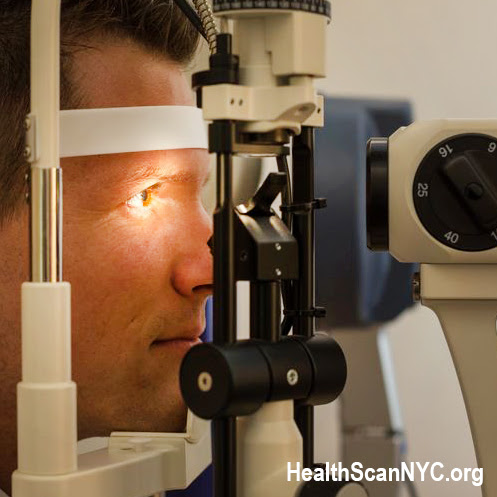
While ultrasound of the eye has been around for half a century, one of the quick things we can do is find out eye cancer, specifically melanoma in the back of the eye without dilating the eye.  Instead of a three hour examination with drops that blur your vision, use of ultrasound scanning allows us to detect an eye cancer in minutes.  In a recent report by the American Academy of Ophthalmology, eye exams are recognized to find links to a growing array of diseases.  A surprising list of conditions include: 

• Aneurysm• Brain tumor• Hypertension• Ischemic Stroke
• Heart disease• Lyme disease• Rheumatoid Arthritis• Cancers of blood, tissue or skin
• Diabetes• STD's such as Syphilis, herpes, chlamydia, HIV, gonorrhea, genital warts and pubic lice

Though further testing is required once these symptoms may arise during an exam, current diagnostic imaging scans reflect advancements in analysis of the eye in relation to the patient's physiology. [1]


TRENDING:  PATHOLOGY LINK OF CHRONIC DISORDERS THROUGH THE EYE
By: Dr. Robert L. Bard

With summer coming on, foreign bodies such as wood glass or plastic can be triangulated inside a damaged side. When we see the artery that supplies the eye have diminished flow, this is one of the indications of brain swelling. For example, concussion swells the brain [2], which does several things in the eye; increased pressure in the brain puts pressure on the arteries, which decreases the flow to the eye vessels. It also increases the pressure in the optic nerve. So the optic nerve will dilate usually from five to seven or eight millimeters in diameter. Also, if the increased intracranial pressure is serious, it will bulge the optic disc into the eyeball, which is commonly used in emergency rooms as a diagnosis for increased intracranial pressure. [3]

In 2009, the radiological community started investigating the systemic disease of inflammatory arthritis as it manifested in the eye and in the joints.  Specifically, people with back pain were getting x-rays, which showed nothing.  Based on the poor response of an x-ray and back pain correlation, we started looking at ultrasound and MRI and we found two things; the MRI was much more sensitive than standard back x-rays and the blood flow technology of the Doppler was even more sensitive in showing inflammatory changes in the joint.  This is important because (est 2010) a prominent Rheumatology  publication discussed inflammation of the Iris (called IRITIS) and this is where the manifestations of Sacroiliitis or ankylosing spondylitis are found.  These are signs of inflammatory disease, which affects not only the bones and the joints, but they also affect the eye. 


Blood Flow Study 101 
Hemodynamics is defined as the study of blood flow in relation to the status of the circulatory system and homeostatic mechanisms of autoregulation.   Through the monitoring of blood flow, diagnostic analysis can provide many answers to the health and physiological status of the target area scanned as well as cell-level metabolism, the regulation of the pH, osmotic pressure and temperature of the whole body, and the protection from microbial and mechanical harm.   Assessing injuries, inflammation or mutative growths (like cancer tumors), assessment of blood flow provides diagnostic answers about the severity of tissue disorders or tumor malignancy.


DETECTION OF SYSTEMIC DISEASE

We find the eye to be a pathological mirror into many conditions in the body, such as metastatic disease going to the brain and causing swelling of the optic nerve. More interesting is the correlation between inflammatory disease and eye symptoms.  Rarely if ever does a knee surgeon ask about a patient’s eye pain or an orthopedic back surgeon ask about changes in the eye. But significant evidence targets the eye as a source of guidance to where else the disease might be occurring and what the disease actually is.

Specifically in inflammatory back pain or inflammatory arthritis of the joints, we see inflammatory changes in the front of the eye. The same pathologic effect happens with other common dermal inflammatory diseases. Specifically, 6% of the population worldwide has psoriatic arthritis, which also shows up in the eye. 3% of the population has rosacea, which gives you redness in the face and redness in the eye and itching in the eye, but also is a cause of arthritis. 

Other areas that we can look at are GLAUCOMA.   Through imaging technologies, we see increased pressure in the eye as decreased blood flow.  Similarly, increased brain swelling is reflected by a decrease in blood flow to the eye artery and increased pressure inside the eyeball.


In DIABETIC RETINOPATHY, because the inflammatory changes in the vessels have altered the normal velocity of the blood, we are able to use the blood flow feature of the Doppler ultrasound to assess the vessels going to the back of the eye, including the almost microscopic vessels in the retina. This is important because changes from vascular diseases such as eye disease, heart disease, high blood pressure and high cholesterol are all demonstrated in the blood flow to the back of the retinal area. This technology is also widely performed with other optical technologies such as optical coherence tomography, commonly used by ophthalmologists and dermatologists. However, the Doppler blood flow was not recognized by the American ophthalmologic community as a safe tool until recently.

Another cause of eye disease and migraine is called GIANT CELL ARTHERITIS- an inflammatory disease, which affects the blood vessels going to the area of the eye. The standard diagnostic treatment is to cut out the painful artery (biopsy it) and see if it's diseased.  However, today we put the ultrasound probe on the temporal artery, which goes to the outside of the eye. Oftentimes the patient will take the probe and put it on the painful side, representing the greatest area of inflammation and will hold it for us as we turn on the blood flow technology.  This shows increased flow in the area that's narrowed and soft tissue swelling of the outer vessel wall, demonstrable on ultrasound in seconds.

Because ultrasound is a real time tool that shows blood flow as a treatment is being done, (such as with electromagnetic stimulation) we are able to visually confirm noninvasively the impact of treatments on the arteries that go to the retina and choroid and notice changes such as dilation with some of the new treatments that are available. Hopefully this will bring relief to sufferers of diabetes, glaucoma, and Alzheimer's disease. Since this noninvasive diagnostic tool is safe, repeatable and quantifiable.


PART 2: SCANNING COGNITIVE DECLINE

This case subject with a presumptive degenerative neuromuscular disease or amyotrophic lateral sclerosis.  In a non-invasive investigation, we look at the eye for increased intracranial pressure, which may reflect in changes in the optic nerve diameter.  [Fig. 1] The right eye, which is the left slide, shows the optic nerve diameter of five millimeters. And the right is almost eight millimeters. So we have a guide as to where the brain disease is more severe. At this point, we activate the blood flow function and look at the right eye and see that the blood flow from the anterior cerebral artery circulation that supplies the back of the eye is approximately 60 per second in the blood flow which corresponds to the graph on the bottom.  [Fig. 2] On the left eye. The same blood vessel shows a decreased pressure of approximately 45 as shown by the decreased height of the blood flow graph at the bottom. Once again, we have measurable diagnostic technologies that are noninvasive, so we can follow treatment in diseases that are affecting the eye and as it relates to brain and degenerative neuromuscular disorders. (See complete feature on Neurological Studies)


POST-TREATMENT SCANNING OF THE OPTIC NERVE
6-2-2022: In a recent study, we can identify the metrics of a biofeedback energy treatment device WITH quantifiable scanning features of the high frequency ultrasound probe w/ 3D Doppler. A review aims to form the basis for analyzing cases such as diabetic retinopathy or hypertensive vascular disease by scanning the OPTIC NERVE. Secondary protocols for treating disease due to Alzheimer's or chronic trauma by increasing the blood flow in the brain to prevent further damage may be possible based on the imaging findings derived from this research. The subject complaining of headaches had a prior case of malaria (which is a small parasite that lodges itself throughout the body) demonstrated benign lymph nodes in multiple areas in the head and neck. We opted to start by scanning ocular orbit to detect if increased intracranial pressure on the optic nerve head was detectable to verify potential cerebral pathology. (See complete article)


References:
2) American Association of Neurological Surgeons: Concussion: https://www.aans.org/en/Patients/Neurosurgical-Conditions-and-Treatments/Concussion
3) NIH/PubMed: Response of the cerebral vasculature following traumatic brain injury > https://www.ncbi.nlm.nih.gov/pmc/articles/PMC5531360/


Disclaimer: The information (including, but not limited to text, graphics, images and other material) contained in this article is for informational purposes only. No material on this site is intended to be a substitute for professional medical advice or scientific claims. Furthermore, any/all contributors (both medical and non-medical) featured in this article are presenting only ANECDOTAL findings pertaining to the effects and performance of the products/technologies being reviewed - and are not offering clinical data or medical recommendations in any way. Always seek the advice of your physician or other qualified health care provider with any questions you may have regarding a medical condition or treatment and before undertaking a new health care regimen, never disregard professional medical advice or delay in seeking it because of something you read on this page, article, blog or website.


Wednesday, June 22, 2022

2022 Case Study: Neurodegenerative Diseases and the Vascular System

Written by: Jay Lombard, D.O
Edited by: Roberta Kline, MD & the IPHA News editorial staff

One of the most exciting opportunities in neuroscience research today is the use of strategies that protect the brain which may potentially prevent, delay or inhibit the progression of neurodegenerative diseases such as Alzheimer’s, Parkinson’s and ALS. This opportunity rests on our ability for early diagnosis. Research has shown that the likelihood of success for a given treatment-whether lifestyle changes or pharmacological approaches- is highly dependent upon early intervention, before the disease process has become too severe and potentially irreversible. Therefore, it is critical to understand the underlying biological changes that occur in the early stages of these diseases, along with the technology to detect them. 

The notion that neurological diseases are preventable will evolve over time, as has already been seen in with a greater understanding of cardiovascular disease. The field of cardiology has become much more proactive in addressing cardiovascular health, where identifiable and modifiable risk factors can be assessed by clinicians and used to prevent or address heart and vascular disease earlier on in the process. This is directly applicable to neurological diseases, as there is a growing recognition that vascular factors play a critical role in brain health. 

The brain is utterly dependent on a steady supply of oxygenated blood provided by an extensive network of arteries, arterioles, capillaries, venules, and veins. Any disruption of this highly organized system results in ischemic changes in the brain, resulting i
n injury and even death of cells critical to the brain’s function due to lack of oxygen. Emerging research has shed light on the idea that when these ischemic changes become chronic in key areas of the brain dealing with cognitive and motor function, they can lead to neurodegenerative changes associated with conditions like Alzheimer’s,  ALS and Parkinson’s disease. For example, a recent study conducted by researchers at the University of Manchester and reported in the Proceedings of the National academy of sciences( PNAS) demonstrated that a small version of amyloid has been found in the walls of small arteries in the brain, reducing blood flow in patients with Alzheimer’s disease.

These findings stress the importance of early diagnosis. Cardiology uses diagnostic studies to evaluate patients for reduced blood flow and ischemia in blood vessels that supply oxygen to the heart and other organs and tissues. But while the brain is often harder to assess, improvements in technology are making that easier. One of these advancements is in imaging the eye. It is worth noting that assessment of the optic nerve, retina and their surrounding blood vessels may provide a window into the vascular system of the brain.  The eye and the brain are connected by the optic nerve, and there are growing studies that suggest thinning of the retina reflects broader changes in the brain’s vascular system. 

It is interesting to note that findings in optical coherence tomography studies have demonstrated retinal thinning in ALS and Alzheimer’s disease. While further studies are necessary to confirm these preliminary results, analysis of the blood vessels of the eye may provide a window into the health and functioning of the brain’s vascular system as an early diagnostic tool.

Another connection between eye health and brain health involves the potential link to a newly discovered region surrounding the brain and spinal cord called the glymphatic system. The glymphatic system is a network of small blood vessels embedded within the aqueous humor of the eye that connects to cerebrospinal fluid. The glymphatic system is responsible for the removal of disease-causing (or pathological) proteins that build up during the progression of neurodegenerative diseases, including amyloid in Alzheimer’s disease, alpha synuclein in Parkinson’s and TDP-43 in ALS. 

The glymphatic system connects the brain and the eye through cerebral spinal fluid, the fluid that surrounds the spinal cord and brain. Cerebral spinal fluid enters the optic nerve via the glymphatic pathway [1]. In turn, the glymphatic system is tasked to remove protein buildup that develops when degenerative changes occur in the eye, such as what happens with glaucoma. Support for this is found in studies of glaucoma where disturbances in the glymphatic system have recently been reported. [2] Another study shed light on the possible connection between the eye and the brain. B-amyloid (Aβ), the pathological protein associated with Alzheimer’s disease, was shown to be cleared from the retina through a glymphatic pathway that might also be impaired in glaucoma. [3]

All of this requires a healthy vascular system. The glymphatic function depends upon a normally functioning vascular system with good blood flow for the removal of pathological proteins. Ultrasound has long been used to assess vascular health and blood flow in vessels in many areas of the body, including in the brain. In patients with Alzheimer’s disease, studies using transcranial Doppler (TCD) have revealed abnormalities in the health of blood vessels in the brain that impede blood flow and may affect removal of these proteins. These vascular abnormalities are likely resulting in reduced drainage of pathological proteins like amyloid from the brain due to their effects on the glymphatic circulation [4]

Transcranial doppler is a technology currently in use that may offer the opportunity for earlier diagnosis as well as ongoing assessment of interventions for neurodegenerative diseases like Alzheimer’s and ALS.

1) Invest Ophthalmol Vis Sci 2017;58:4784-91
2) Neural Regen Res. 2022 May; 17(5): 937–947.
3) Sci Transl Med. 2020 Mar 25; 12(536): eaaw3210.
4) Neuropsychiatr Dis Treat. 2019; 15: 3487–3499. 


3D DOPPLER ULTRASOUND: A MAJOR ASSET TO RESEARCH 
From simple case studies to double blind clinical trials, the many benefits of non-invasive imaging offers  visual proof of treatment efficacy.  Ultrasound in particular is more widely used to collect a patient's biometric data safely and efficiently, thanks to its vastly improved quantitative reporting capacity. 

Under exploratory device tech reviews, this video shows the effects of electromagnetic pulse waves neurostimulat stimulation and the induction of cold laser on the body are just some of the noninvasive modalities that are easily monitored with an ultrasound scan. In the case of electromagnetic devices, the involuntary muscle contraction is evidence of the electrical changes in the targeted muscle developers of this technology continue to find new evidence, supporting its ability to recover the body's process through cellular regeneration on a preliminary study, quantitative measurement that the regenerative timeline through the use of a neurostimulator through a simple before and after comparison can easily show the body's reaction to the therapeutic device. 


COLLECTING QUANTITATIVE DATA THROUGH SCANNING OF THE OPTIC NERVE FOR COGNITIVE DISORDERS

This case subject with a presumptive degenerative neuromuscular disease or amyotrophic lateral sclerosis.  In a non-invasive investigation, we look at the eye for increased intracranial pressure, which may reflect in changes in the optic nerve diameter.  [Fig. 1] The right eye, which is the left slide, shows the optic nerve diameter of five millimeters. And the right is almost eight millimeters. So we have a guide as to where the brain disease is more severe. At this point, we activate the blood flow function and look at the right eye and see that the blood flow from the anterior cerebral artery circulation that supplies the back of the eye is approximately 60 per second in the blood flow which corresponds to the graph on the bottom.  [Fig. 2] On the left eye. The same blood vessel shows a decreased pressure of approximately 45 as shown by the decreased height of the blood flow graph at the bottom. Once again, we have measurable diagnostic technologies that are noninvasive, so we can follow treatment in diseases that are affecting the eye and as it relates to brain and degenerative neuromuscular disorders.

Now that radiologists are using Doppler blood flow to examine eye disease, including systemic diseases (including Diabetes, Brain tumors, heart disease, sickle cell disease etc) that affect the eye, we are hopeful that the ophthalmologic and neurological communities will start using this noninvasive technology as well to improve noninvasive and more rapid treatment of potential eye disorders, such as cancers of the eye, diabetes and glaucoma.  Another future use will be to correlate the effect of decreased vascular pulsation in the production of cerebrospinal fluid that is removed by the cleansing glymphatic system is postulated as a contributing factor in degenerative neuromuscular disease.    


Dr. Noelle Cutter (Biology professor and clinical researcher from Molloy College) joined with Dr. Robert L. Bard (top NYC radiologist and cancer diagnostic expert) to deploy the 2022 field study to provide breast screening to younger women, subjects with LOW BMI and those in underserved areas. "Through supplemental imaging (ie. 3D Doppler Ultrasound), we can provide better detection of tumors in dense breasts that are concealed by dense breast tissue from mammography."

Mammography is the current standard for breast cancer early detection for women 40 & older. Recent studies have shown nearly half of all women who get mammograms are found to have dense breasts, exposing this population to the risk that mammograms may miss potentially cancerous tumors concealed by dense breast tissue.  Dr. Cutter's initial concepts to target LOW BMI (bet 12-22% body fat) was personally inspired.  As an active TRIATHLETE, her own diagnosis sparked her survey and inquiry throughout the athletic community where she uncovered a significant trend that became the basis for this research. She wishes to target younger women, athletes and members of underserved communities. "Younger women may be more likely to have dense breasts... also I find athletes with LOWER BMI (body mass index) or those with  less body fat are more likely to have more dense breast tissue compared with women who are obese." See full feature details  |  

Supplemental: DENSE BREAST DETECTION & IMAGE GUIDED ONCOLOGIC TREATMENT


ABOUT THE DOCS:
  In a recent clinical team effort between Dr. Robert Bard (cancer diagnostic imaging expert) and Dr. Jay Lombard, (an Integrative Neurologist), a multi-modal translational research program focused on the early detection and tracking of quantifiable biometrics of individuals suffering from neurodegenerative disorders.   Based on prior/conventional diagnostic methods,  Dr. Bard offers the integration of non-invasive innovations like the 3D Doppler Blood Flow Ultrasound imaging of the optic nerve and the Transcranial Doppler of the temporal artery to gather new and valuable data from the measurement of intercranial pressure and hemodynamics (vascular performance through blood flow readings) of the brain in various stages of the subject's condition.  New findings from this program are directed to the support of optimizing research strategies  leading to new treatment solutions.

(L) JAY LOMBARD, D.O. is a graduate of Nova Southeastern University of the Health Sciences where he received his Osteopathic Medical degree. He completed his  Neurology residency at  Long Island Jewish Medical and is the former chief of Neurology at Westchester Square Medical Center, Bronx Lebanon Hospital  and  adjunctive assistant clinical professor of Neurology. He is a published author of several peer reviewed articles on the pathogenesis of autism, Alzheimer's disease and autism. He has extensively lectured on the role of nutrition for the preservation of brain health and the importance of objective biomarkers for early detection of neurodegenerative diseases. He currently maintains a private practice in Valley Cottage, NY where he is primarily focused on Neurobehavioral and Neurodegenerative diseases.

(R) ROBERT L. BARD, MD paved the way for the study of various cancers both clinically and academically.  Dr. Bard co-founded the 9/11 CancerScan program to bring additional diagnostic support to all first responders from Ground Zero. His main practice in midtown, NYC (Bard Diagnostic Imaging- www.CancerScan.com) uses the latest in digital Imaging technology has been also used to help guide biopsies and in many cases, even replicate much of the same reports of a clinical invasive biopsy. His most recent program is dedicated to the reporting of mental health diagnostic and innovative solutions including the use of modern neuromagnetic technologies and protocols.


Disclaimer: The information (including, but not limited to text, graphics, images and other material) contained in this article is for informational purposes only. No material on this site is intended to be a substitute for professional medical advice or scientific claims. Furthermore, any/all contributors (both medical and non-medical) featured in this article are presenting only ANECDOTAL findings pertaining to the effects and performance of the products/technologies being reviewed - and are not offering clinical data or medical recommendations in any way. Always seek the advice of your physician or other qualified health care provider with any questions you may have regarding a medical condition or treatment and before undertaking a new health care regimen, never disregard professional medical advice or delay in seeking it because of something you read on this page, article, blog or website.


Sunday, June 19, 2022

Optical Blood Flow Analysis: Pathway to Detecting Neurodegenerative & Systemic Diseases

Written by: Jay Lombard, D.O
Edited by: Roberta Kline, MD & the IPHA News editorial staff

One of the most exciting opportunities in neuroscience research today is the use of strategies that protect the brain which may potentially prevent, delay or inhibit the progression of neurodegenerative diseases such as Alzheimer’s, Parkinson’s and ALS. This opportunity rests on our ability for early diagnosis. Research has shown that the likelihood of success for a given treatment-whether lifestyle changes or pharmacological approaches- is highly dependent upon early intervention, before the disease process has become too severe and potentially irreversible. Therefore, it is critical to understand the underlying biological changes that occur in the early stages of these diseases, along with the technology to detect them. 


While ultrasound of the eye has been around for half a century, one of the quick things we can do is find out eye cancer, specifically melanoma in the back of the eye without dilating the eye.  Instead of a three hour examination with drops that blur your vision, use of ultrasound scanning allows us to detect an eye cancer in minutes.  In a recent report by the American Academy of Ophthalmology, eye exams are recognized to find links to a growing array of diseases.  A surprising list of conditions include: 

• Aneurysm• Brain tumor• Hypertension• Ischemic Stroke
• Heart disease• Lyme disease• Rheumatoid Arthritis• Cancers of blood, tissue or skin
• Diabetes• STD's such as Syphilis, herpes, chlamydia, HIV, gonorrhea, genital warts and pubic lice

Though further testing is required once these symptoms may arise during an exam, current diagnostic imaging scans reflect advancements in analysis of the eye in relation to the patient's physiology. [1]


TRENDING:  PATHOLOGY LINK OF CHRONIC DISORDERS THROUGH THE EYE
By: Dr. Robert L. Bard

With summer coming on, foreign bodies such as wood glass or plastic can be triangulated inside a damaged side. When we see the artery that supplies the eye have diminished flow, this is one of the indications of brain swelling. For example, concussion swells the brain [2], which does several things in the eye; increased pressure in the brain puts pressure on the arteries, which decreases the flow to the eye vessels. It also increases the pressure in the optic nerve. So the optic nerve will dilate usually from five to seven or eight millimeters in diameter. Also, if the increased intracranial pressure is serious, it will bulge the optic disc into the eyeball, which is commonly used in emergency rooms as a diagnosis for increased intracranial pressure. [3]

In 2009, the radiological community started investigating the systemic disease of inflammatory arthritis as it manifested in the eye and in the joints.  Specifically, people with back pain were getting x-rays, which showed nothing.  Based on the poor response of an x-ray and back pain correlation, we started looking at ultrasound and MRI and we found two things; the MRI was much more sensitive than standard back x-rays and the blood flow technology of the Doppler was even more sensitive in showing inflammatory changes in the joint.  This is important because (est 2010) a prominent Rheumatology  publication discussed inflammation of the Iris (called IRITIS) and this is where the manifestations of Sacroiliitis or ankylosing spondylitis are found.  These are signs of inflammatory disease, which affects not only the bones and the joints, but they also affect the eye. 


Blood Flow Study 101 
Hemodynamics is defined as the study of blood flow in relation to the status of the circulatory system and homeostatic mechanisms of autoregulation.   Through the monitoring of blood flow, diagnostic analysis can provide many answers to the health and physiological status of the target area scanned as well as cell-level metabolism, the regulation of the pH, osmotic pressure and temperature of the whole body, and the protection from microbial and mechanical harm.   Assessing injuries, inflammation or mutative growths (like cancer tumors), assessment of blood flow provides diagnostic answers about the severity of tissue disorders or tumor malignancy.


DETECTION OF SYSTEMIC DISEASE

We find the eye to be a pathological mirror into many conditions in the body, such as metastatic disease going to the brain and causing swelling of the optic nerve. More interesting is the correlation between inflammatory disease and eye symptoms.  Rarely if ever does a knee surgeon ask about a patient’s eye pain or an orthopedic back surgeon ask about changes in the eye. But significant evidence targets the eye as a source of guidance to where else the disease might be occurring and what the disease actually is.

Specifically in inflammatory back pain or inflammatory arthritis of the joints, we see inflammatory changes in the front of the eye. The same pathologic effect happens with other common dermal inflammatory diseases. Specifically, 6% of the population worldwide has psoriatic arthritis, which also shows up in the eye. 3% of the population has rosacea, which gives you redness in the face and redness in the eye and itching in the eye, but also is a cause of arthritis. 

Other areas that we can look at are GLAUCOMA.   Through imaging technologies, we see increased pressure in the eye as decreased blood flow.  Similarly, increased brain swelling is reflected by a decrease in blood flow to the eye artery and increased pressure inside the eyeball.


In DIABETIC RETINOPATHY, because the inflammatory changes in the vessels have altered the normal velocity of the blood, we are able to use the blood flow feature of the Doppler ultrasound to assess the vessels going to the back of the eye, including the almost microscopic vessels in the retina. This is important because changes from vascular diseases such as eye disease, heart disease, high blood pressure and high cholesterol are all demonstrated in the blood flow to the back of the retinal area. This technology is also widely performed with other optical technologies such as optical coherence tomography, commonly used by ophthalmologists and dermatologists. However, the Doppler blood flow was not recognized by the American ophthalmologic community as a safe tool until recently.

Another cause of eye disease and migraine is called GIANT CELL ARTHERITIS- an inflammatory disease, which affects the blood vessels going to the area of the eye. The standard diagnostic treatment is to cut out the painful artery (biopsy it) and see if it's diseased.  However, today we put the ultrasound probe on the temporal artery, which goes to the outside of the eye. Oftentimes the patient will take the probe and put it on the painful side, representing the greatest area of inflammation and will hold it for us as we turn on the blood flow technology.  This shows increased flow in the area that's narrowed and soft tissue swelling of the outer vessel wall, demonstrable on ultrasound in seconds.

Because ultrasound is a real time tool that shows blood flow as a treatment is being done, (such as with electromagnetic stimulation) we are able to visually confirm noninvasively the impact of treatments on the arteries that go to the retina and choroid and notice changes such as dilation with some of the new treatments that are available. Hopefully this will bring relief to sufferers of diabetes, glaucoma, and Alzheimer's disease. Since this noninvasive diagnostic tool is safe, repeatable and quantifiable.


PART 2: SCANNING COGNITIVE DECLINE

This case subject with a presumptive degenerative neuromuscular disease or amyotrophic lateral sclerosis.  In a non-invasive investigation, we look at the eye for increased intracranial pressure, which may reflect in changes in the optic nerve diameter.  [Fig. 1] The right eye, which is the left slide, shows the optic nerve diameter of five millimeters. And the right is almost eight millimeters. So we have a guide as to where the brain disease is more severe. At this point, we activate the blood flow function and look at the right eye and see that the blood flow from the anterior cerebral artery circulation that supplies the back of the eye is approximately 60 per second in the blood flow which corresponds to the graph on the bottom.  [Fig. 2] On the left eye. The same blood vessel shows a decreased pressure of approximately 45 as shown by the decreased height of the blood flow graph at the bottom. Once again, we have measurable diagnostic technologies that are noninvasive, so we can follow treatment in diseases that are affecting the eye and as it relates to brain and degenerative neuromuscular disorders. (See complete feature on Neurological Studies)


POST-TREATMENT SCANNING OF THE OPTIC NERVE
6-2-2022: In a recent study, we can identify the metrics of a biofeedback energy treatment device WITH quantifiable scanning features of the high frequency ultrasound probe w/ 3D Doppler. A review aims to form the basis for analyzing cases such as diabetic retinopathy or hypertensive vascular disease by scanning the OPTIC NERVE. Secondary protocols for treating disease due to Alzheimer's or chronic trauma by increasing the blood flow in the brain to prevent further damage may be possible based on the imaging findings derived from this research. The subject complaining of headaches had a prior case of malaria (which is a small parasite that lodges itself throughout the body) demonstrated benign lymph nodes in multiple areas in the head and neck. We opted to start by scanning ocular orbit to detect if increased intracranial pressure on the optic nerve head was detectable to verify potential cerebral pathology. (See complete article)


References:
2) American Association of Neurological Surgeons: Concussion: https://www.aans.org/en/Patients/Neurosurgical-Conditions-and-Treatments/Concussion
3) NIH/PubMed: Response of the cerebral vasculature following traumatic brain injury > https://www.ncbi.nlm.nih.gov/pmc/articles/PMC5531360/


Disclaimer: The information (including, but not limited to text, graphics, images and other material) contained in this article is for informational purposes only. No material on this site is intended to be a substitute for professional medical advice or scientific claims. Furthermore, any/all contributors (both medical and non-medical) featured in this article are presenting only ANECDOTAL findings pertaining to the effects and performance of the products/technologies being reviewed - and are not offering clinical data or medical recommendations in any way. Always seek the advice of your physician or other qualified health care provider with any questions you may have regarding a medical condition or treatment and before undertaking a new health care regimen, never disregard professional medical advice or delay in seeking it because of something you read on this page, article, blog or website.

Monday, April 25, 2022

MedTech Review: ELITONE® - Urinary Incontinence Device

PROFESSIONAL EVALUATION OF A URINARY INCONTINENCE DEVICE

By: Dr Roberta Kline (OBGYN)

BACKGROUND
Urinary incontinence is a common problem for women, affecting up to 1 in 3 women over their lifetime. Many treatments have been devised that have varying degrees of invasiveness and effectiveness, with the most utilized approaches including pelvic floor muscle exercises (Kegel’s), surgery and medication. 

Pelvic floor muscle exercises are typically the first-line approach Stress Urinary Incontinence, and while they can often be effective, many women do not know how to do them correctly. This can lead to lack of improvement or potentially create other pelvic floor issues. While pelvic floor muscle exercises can also be helpful for women with Urge Incontinence, they are often are directed toward lifestyle changes and medication. One of the biggest challenges is that many women suffer from both conditions and finding a solution that is effective for both is often elusive. 

But even if a therapy may be effective, there are two large barriers that must be overcome: access to treatment, and then adherence to that treatment. Even if a woman is one of the fewer than 50% that actually seek medical care and get an effective treatment, adherence is often a key reason why it fails to deliver significant or lasting results. Attempts to address these issues are behind the continued innovation in finding effective treatments that are effective, easy to use, and widely accessible.

Electrostimulation of the pelvic floor muscles for treating Urinary Incontinence is not new (Yamanishi et al), but until recently most approaches relied on intravaginal placement of devices. While these have been shown to have good success, utilization rates are typically low due to the invasive nature and inconvenience of such treatments. (Fürst, MCB et al.) For this reason, less invasive ways to deliver electrostimulation technology have been growing in popularity and have been shown to be effective for both types of Urinary Incontinence (Stewart F, Gameiro O et al. and Stewart F, Berghmans B et al.)

Transperineal electrical muscle stimulation (TEMS) is a relatively new and innovative approach utilizing a noninvasive method to treat Urinary Incontinence. With TEMS, electrodes are placed strategically on the perineum so that pelvic floor muscles are stimulated to contract. While more studies need to be done, early clinical research is demonstrating effectiveness (Kim et al,). 

CLINICAL STUDY OF THE ELITONE
In a cohort study published in 2019 (Kolb et al), they found that the women with mild to moderate stress urinary incontinence experienced statistically significant improved symptoms and quality of life scores over only 6 weeks of using the Elitone device. 

I was able to test out and evaluate the Elitone device, which seeks to reduce the disparity in access to effective treatment utilizing this TEMS technology. This is a self-administered device that contains the electrodes in a gel pad that is placed on the perineum, and utilizes electrostimulation to achieve effective contraction of the pelvic floor muscles. The device is easy to use, and the gel pad provides enough adherence without causing discomfort to the skin upon removal. 

As was described in the patient instructions, the TEMS creates a tingling on the skin that can be a little intense at first, but quickly decreases as the nerve fibers in the skin become desensitized. I found the strength of pelvic floor muscle contraction to be quite adequate and not at all uncomfortable, even at high intensity. While the device is designed so that it can be worn during normal activity, I did find that sitting increased the level of contact with the perineum and seemed to increase effectiveness.

As an ObGyn physician, I know that all women with Urinary Incontinence are not alike. They have varying degrees of pelvic muscle floor tone or strength. It’s important to be able to customize the strength of contraction when being stimulated with a TEMS device. Contractions that are too weak for a woman with fairly good pelvic floor muscle tone may be far too strong for one whose pelvic floor muscle tone is much less. This can lead to ineffectiveness on the one end of the spectrum, and pain on the other. Both will lead to lack of the desired outcome of reducing or eliminating the urinary incontinence. 

One of the big benefits is the ability to control the strength of pelvic floor muscle contraction. The device enables easy modulation of the strength of the electrostimulation, thereby enabling a great level of customization for varying degrees of pelvic floor contraction. Over the course of the treatment, each woman can start at the appropriate strength for her, and then gradually increase over time to achieve the level of pelvic floor muscle stimulation needed to maximize strength and thus outcomes. In addition to the impact on pelvic floor muscles, the Elitone device also provides stimulation to the bladder detrusor muscle as a way to address urge urinary incontinence as well – a big plus for the large percentage of women that suffer from both stress and urge symptoms if future studies confirm the effectiveness of this approach.


CONTRIBUTORS

BOBBI KLINE, MD 
(Educational Dir. /Women's Diagnostic Group)
Dr. Kline is a board-certified ObGyn physician, Integrative Personalized Medicine expert, consultant, author, and educator whose mission is to change how we approach health and deliver healthcare. She helped to create the Integrative & Functional Medicine program for a family practice residency, has consulted with Sodexo to implement the first personalized nutrition menu for healthcare facilities, and serves as Education Director for several organizations including the Women’s Diagnostic Health Network, Mommies on a Mission. Learn more at https://bobbiklinemd.com 


References

1) Electrical stimulation with non-implanted devices for stress urinary incontinence in women

2) Fiona Stewart, Bary Berghmans, Kari Bø, Cathryn Ma Glazener Cochrane Database Syst Rev. 2017 Dec 22

3) Stewart F, Gameiro O et al. Electrical stimulation with non‐implanted electrodes for overactive bladder in adults. Cochrane Database of Syst Rev 2021 Dec 9

4) Kim HW et al. Effectiveness of transperineal pelvic floor electrical stimulation system in improving female stress urinary incontinence: a prospective pilot study. Journal of Inclusion Phenomena and Macrocyclic Chemistry volume 101, pages329–336 2021

5) Fürst, MCB et al. Long-term results of a clinical trial comparing isolated vaginal stimulation with combined treatment for women with stress incontinence. Einstein (Sao Paulo). 2014 Apr-Jun; 12(2): 168–174

6) Yamanishi T, Yasuda K. Electrical stimulation for stress incontinence. Int Urogynecol J Pelvic Floor Dysfunct. 1998;9(5):281-90.

7) Kolb G et al. Surface-Applied Electrical Muscle Stimulation for Self-administered Treatment of Female Stress Urinary Incontinence. Journal of Women's Health Physical Therapy: October/December 2019 - Volume 43 - Issue 4

Disclaimer: The information (including, but not limited to text, graphics, images and other material) contained in this article is for informational purposes only. No material on this site is intended to be a substitute for professional medical advice or scientific claims. Furthermore, any/all contributors (both medical and non-medical) featured in this article are presenting only ANECDOTAL findings pertaining to the effects and performance of the products/technologies being reviewed - and are not offering clinical data or medical recommendations in any way. "MEDTECH REVIEWS" is a reporting and publishing project supported by IPHA (Integrated Pain Healers Alliance) and are freely submitted by contributing writers based on their experience(s) of the innovations herein.  These reports are not commercially motivated and are written without any influence by the manufacturer in any way. Always seek the advice of your physician or other qualified health care provider with any questions you may have regarding a medical condition or treatment and before undertaking a new health care regimen, never disregard professional medical advice or delay in seeking it because of something you read on this page, article, blog or website.


Wednesday, April 13, 2022

Smart Sense: Managing Pain Holistically

INTRODUCTION:
Thanks in part to the web-driven information age, today's educated consumer holds the advantage of some of the fastest research technologies and complete global access to the vast majority of health protocols and treatment modalities available.  This forged our personalized culture where optimal info access and the freedom to decide between many diagnostic and therapeutic principles helps us go beyond the TRADITIONAL (or conventional) medicine.  The Integrative Pain Healers Alliance (IPHA) is committed to exploring all areas of health from current experts, researchers and educators.  We start our report with a popular injury called Plantar Fasciitis. We are fortunate to encounter a specialist in HOLISTIC PODIATRY to shed light on a whole-body approach to healing this commonly painful disorder. Dr. Robert Kornfeld offers his successful strategy to fulfilling what many would consider a 'healthier and more intelligent way' to therapy by combining convention with complementary and alternative medicine.


ADDRESSING PLANTAR FASCIITIS HOLISTICALLY

When considering any inflammatory pathology like plantar fasciitis, it is important to not only look at the tissues in pain and make a diagnosis, but it is equally important to understand the mechanisms behind the pathology. In so doing, we need to understand our patient as a unique being and not fall into the trap of treating every patient with plantar fasciitis in the same way. Many patients can develop plantar fasciitis but can have completely different mechanisms that make it difficult for the immune system to heal the injured tissue.

In my world, the world of functional medicine, we need to examine 2 issues before we get into healing the plantar fascia. Number one is we must look at the patient’s BIOMECHANICS, i.e., the structural and functional contributions to the problem. This may be congenital structural issues or problems with the functional aspects of walking and running. It can be poor training, over-training, tight muscles due to lack of stretching, improper footgear for that particular patient’s needs or the necessity to manage these issues with a prescribed, custom molded orthotic device.

Many patients will heal by correcting these biomechanical contributors to the dysfunction which cause the injury to the plantar fascia. But many will not. In those patient’s it become necessary to look at the immune system which is tasked with the job of repairing injured cells. So the second thing we turn our attention to is to discover what burdens there are on the immune system that are making it inefficient and not enabling the healing of the injury. For that, we need to take a patient-specific approach to the epigenetics (diet, lifestyle and environmental issues). The most common things we look for are:

- Poor nutrition/food quality

- Lack of adequate hydration

- Adrenal stress/Neurotransmitter imbalances

- Detoxification disorders

- Hormonal changes

In addition, we must look at what is involved in healing. The plantar fascia, being a connective tissue, receives its blood flow through microscopic blood vessels, not large arteries. In our modern society, we are dealing with many chronic stressors that can lead to adrenal/neurotransmitter imbalance. If there is an excitatory neurotransmitter dominance, we see microscopic blood vessels go into spasm. This is a primitive survival mechanism designed to shunt blood from the extremities and send it to the heart for increased blood flow to the upper arms and legs to either fight the beast that wants to eat us or run away from it. Correcting these chemical imbalances can alter the rate of perfusion into these tiny vessels in order to deliver the necessary substrates of healing.  

HEALING THE PLANTAR FASCIA
Once all of these mechanisms have been diagnosed and addressed (obviously in patients who do not respond to conventional treatments), then we can begin to foster the healing of the tissues. I utilize regenerative medicine which are medicines that stimulate more efficient repair and message the immune system to release protection and open the pathways that can repair the injured cells. This is health promoting instead of using drugs with side effects that interfere with normal physiology.

To that end, I use homeopathic injections, prolotherapy, PRP or amniotic allograft injections. There are different reasons why I choose different approaches but it is all patient-specific. Regardless of the chosen therapy, they are all designed to get the immune activity focused on healing and repair and not on protection. In this way we heal patients AND we leave then healthier than when they first came to see us.


CONTRIBUTOR:
DR. ROBERT KORNFELD has been practicing podiatric medicine and surgery for over 40 years. After training in traditional medicine and surgery, Dr. Kornfeld sought to answer a very important question - why does this specific patient have this diagnosis? He knew that finding the underlying mechanism to the presenting pathology was the critical issue that traditional medicine was not addressing. This naturally brought him into the field of holistic medicine. His dedication to treating chronic foot and ankle pain at its source has given him well-researched insight into how the human body manages cellular injury that it is unable to repair so he can alleviate chronic pain syndromes that have resisted traditional medical approaches. Dr. Kornfeld has offices in New York City and Port Washington, Long Island. (https://www.drrobertkornfeld.com/)


The research benefits of using ultrasound scanning in therapeutic monitoring allows for tremendous flexibility in exploratory detection. Once we have established the initial Base Line of the ‘before and after’ scan, having probe in hand empowers the diagnostician to go deeper and wider- allowing for more answers and possibly finding other pathologies.   After we looked at the obvious muscle abnormality, the question is to go back and see what's causing the problem. Upon observing what’s under the white skin area, there appears a very thick white band (FASCIA covering the muscle) between the two dark layers of the subcutaneous fat and the muscle.  We notice that the fascia splits into two levels with the upper arrows, denoting the top part of the split and the lower arrows showing the bottom part of the split. The black area in the split is filled with fluid indicating the fascia lining is abnormal and this is a way that we can follow the cause for the muscle irritation in future tracking.  (see complete article & video)


PAIN 101: PLANTAR FASCIITIS BREAKDOWN 
by: Josh Tiberius Schueller, PT

Plantar Fasciitis is a challenging, difficult and often time frustrating injury that effects millions of people per year. PF is not considered a serious injury on the spectrum of musculoskeletal injuries so there have been a lack of attention to effective treatments. Many suffers are active competitive people who struggle with the lack of effective treatment. These people have to take weeks into months off from training because of this injury. Traditional treatments have been lackluster in results which has spawned “gimmicky” devices that have flooded the market. The need for a safe, effective treatment for PF is apparent. These devices need to be validated to decrease consumer fraud. The health care professionals need to realize that traditional treatments of ice, rest, and immobilizing are not effective for active people. (see full article)


FIGHTING RECURRENCE WITH POSTOP SCANNING

FOR IMMEDIATE RELEASE: 8/6/2024- Dr. Robert Bard (Bard Diagnostic Imaging) and Cheri Ambrose (President of the MBCGA / Male Breast Cancer G...